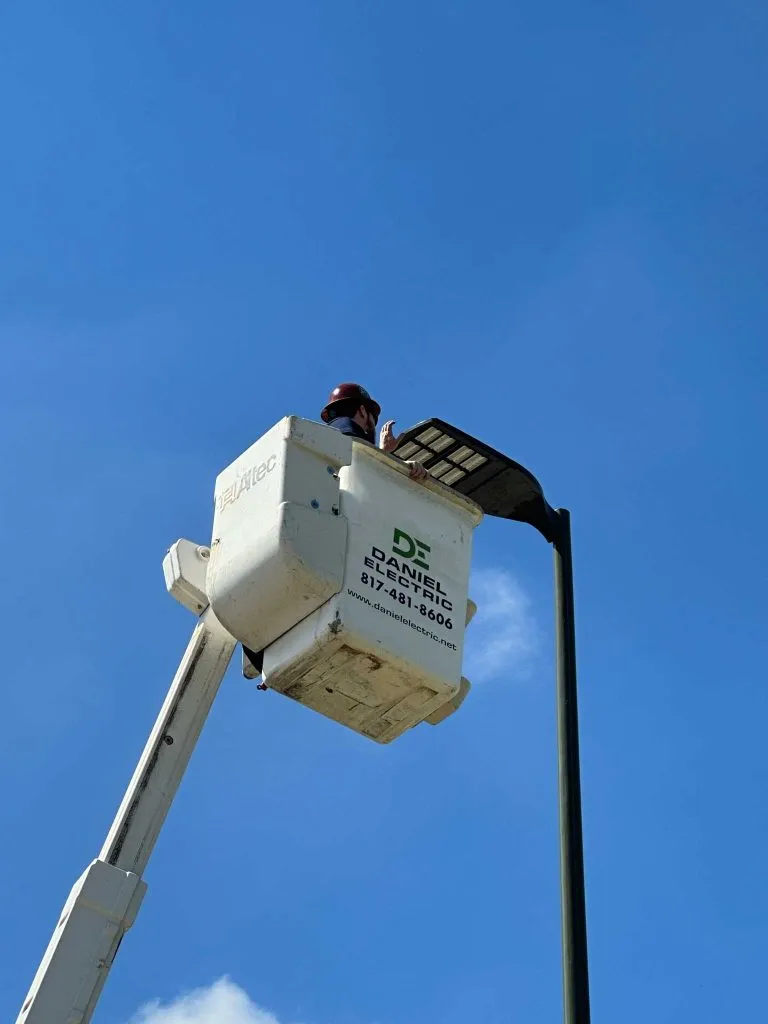
Why schedule electrical maintenance for a commercial building?
Planned maintenance finds small electrical problems before they become outages, fires or injuries. NFPA says proactive maintenance can improve system reliability and reduce the likelihood of fire, electric shock and arc flash incidents. It also notes that a shutdown planned in advance is far better for operations than an unplanned outage caused by equipment failure.
For a facility manager, the case is practical. Electrical systems age. Connections loosen with heat and vibration. Dust and moisture build up. Lights burn out. Breakers wear. None of that shows up on a calendar unless someone looks.
The alternative is to wait for something to fail. That usually happens on a busy day, with tenants or customers on site. A schedule moves that work to a time you choose.
What is a preventive maintenance program?
It is a written plan. It lists the equipment, says what to check, says how often, says who does it, and keeps a record. NFPA calls this an electrical maintenance program (EMP). The plan can start small and grow.
What does NFPA 70B say?
NFPA 70B is the Standard for Electrical Equipment Maintenance. NFPA says it gives requirements and guidance for the preventive maintenance of electrical, electronic and communications systems and equipment. It covers how to build a maintenance program, how to set maintenance intervals, which testing methods to use, and how to keep documentation.
NFPA says it applies to systems typical of industrial plants, institutional and commercial buildings, and large multifamily residential complexes. A 2023 NFPA article explains that 70B changed from a recommended practice into a standard, which makes it more enforceable. NFPA also lists a 2026 edition. Local enforcement varies, so ask your insurer or the building authority how it is used for your property.
This guide is a plain-language overview. It does not replace the standard. A commercial electrician can help you apply it to your site.
What gets inspected in a commercial electrical maintenance visit?
A visit usually covers the main service and distribution equipment, panels and breakers, connections, lighting, GFCI devices, emergency lighting, and exit signs. The exact list depends on your building and equipment. An electrician sets it with you, based on what you have.
Here is a sample scope. Treat it as a starting point.
| Area | What the electrician looks for | Why it matters |
|---|---|---|
| Main service and switchgear | Heat marks, loose parts, corrosion, dust, labeling | Failure here can shut down the whole building |
| Panelboards and breakers | Tight connections, damaged breakers, missing covers, clear labels | Loose connections create heat |
| Wiring and connections | Discolored or damaged conductors and terminals | Early sign of overheating |
| Receptacles and GFCI devices | Working test and reset, damaged outlets | Protects people near water and outdoors |
| General and parking lot lighting | Dead lamps, failed drivers, photocell operation | Safety and security |
| Emergency lighting and exit signs | Battery and lamp function, clear access | Life-safety systems must work in an outage |
| Transfer switch and backup power | Operation, condition, test records | Must work when the grid fails |
| Grounding and bonding | Visible connections intact | Part of shock and fire protection |
Daniel Electric lists commercial facility maintenance among its services, and backup generator systems on its commercial pages. Our commercial electrician page explains what it offers.
What can staff check between visits?
Staff can do safe, visual checks without opening any equipment.
- Look for dead or flickering lights and log them.
- Note breakers that trip often and report them.
- Watch for warm, buzzing or discolored outlets, plates or panels, and report them at once.
- Keep the area around panels clear and the doors closed.
- Test emergency lights and exit signs as the maker’s instructions say.
- Report water leaks near electrical equipment.
Do not open panels, remove covers or touch wiring. Opening live equipment calls for trained, qualified workers.
What is a thermal scan, and do I need one?
A thermal scan uses an infrared camera to see heat in electrical equipment while it runs. Loose or failing connections often run hotter than normal, so a hot spot points to a problem to check. The scan is a way to look without shutting the system down. Our glossary covers thermal imaging.
Whether you need one depends on your equipment, your risk and your insurer. Ask your electrician. A thermal scan is one tool in a program. It does not replace inspection and testing.
A scan only helps if someone acts on it. The report should list each hot spot, where it is, and what to do. Then someone has to schedule and complete the repair, and note it in the log.
What records should a maintenance program keep?
Keep an equipment list, the date and result of each inspection, what was found, what was repaired and when, and copies of any test or scan reports. NFPA lists documentation practices as part of 70B. Records let you see repeat failures, plan budgets, and answer questions from insurers or inspectors.
A simple log works well.
| Column | Example entry |
|---|---|
| Equipment | Panel in the electrical room, labeled by name |
| Date inspected | The date of the visit |
| Who inspected | Company and electrician |
| Finding | What was seen, in plain words |
| Action | Repaired, replaced, monitored or none |
| Date closed | The day the fix was finished |
NFPA’s 70B update adds a requirement to set a timeline so repairs are not delayed. A log that shows open items makes that easy to track.
Who does what: owner, tenant and electrician?
The lease decides, and many leases are vague. A clear split avoids missed work. Write it down and review it when a tenant changes or the building changes.
| Role | Common duties (confirm in your lease) |
|---|---|
| Owner or property manager | Main service, common-area lighting, parking lot lighting, building systems, scheduling visits |
| Tenant | Equipment and circuits inside the leased space, reporting problems, access for the electrician |
| Licensed electrician | Inspect, test, repair and report in writing; follow safe work practices |
| Insurer or building authority | May set requirements; ask what they expect |
Tenant finish-outs and changes add new circuits and loads. After any finish-out, update the equipment list. A load calculation checks that the service can carry what has been added.
Why must a licensed electrician do the work?
Texas law requires that non-exempt electrical work be done by licensed people working through a licensed electrical contractor. Our guide on hiring a licensed electrician in Texas shows how to verify a license.
Safety also matters. Electricians isolate and lock out equipment before they work on it. OSHA says proper lockout/tagout practices safeguard workers from hazardous energy releases. Never ask staff to do this work.
What should you ask before signing a maintenance agreement?
Ask what is included, how often, and what you get in writing. A maintenance agreement should name the equipment covered, the tasks at each visit, the report format, and how urgent findings are handled. Compare offers on scope, not on length. Two agreements with the same name can cover very different work.
Questions worth asking:
- Which buildings, panels and systems are covered, and which are not?
- What happens at each visit, and how long does it take?
- Will you work around business hours to limit disruption?
- How are urgent findings reported, and how fast?
- Will we get a written report with photos or scan images?
- Who schedules the repairs that come out of an inspection?
- What is the warranty on repair work? See the warranty page for Daniel Electric’s published terms.
A good partner will also tell you what is outside the agreement, such as work that needs a permit or a utility shutdown.
How should you start a program?
Start simple, and build from what you learn.
- List the electrical equipment in each building: service, panels, transfer switches, lighting and emergency systems.
- Ask a licensed commercial electrician to walk the site and recommend a scope and schedule.
- Fix urgent items first, such as damaged equipment and failed life-safety lighting.
- Set recurring visits and write them on the calendar.
- Start the log and keep it up to date.
- Review the plan once a year and after any major change.
For a lighting-specific plan, see our parking lot lighting repair guide. For a wider look at business electrical work, read the pillar guide on commercial electrical services. We also have a post on quarterly electrical checks for facility managers.
We do not publish prices. The scope, the number of buildings and the age of the equipment drive the quote. Daniel Electric describes itself as family owned and operated, serving the area since 1988, and lists commercial facility maintenance as a service.
Next step
See our commercial electrician page, then call Daniel Electric at (817) 481-8606 or use the quote form at /contact to talk about a maintenance plan for your building.
Frequently asked questions
What is electrical preventive maintenance?
It is a planned program of inspecting, testing, cleaning and repairing electrical equipment on a schedule, before it fails. The goal is fewer outages and lower fire and shock risk. NFPA 70B is the national standard that guides how facilities build such a program.
What is NFPA 70B?
NFPA 70B is the Standard for Electrical Equipment Maintenance. NFPA says it gives requirements and guidance for the preventive maintenance of electrical, electronic and communications systems. It covers program development, maintenance intervals, testing methods and documentation. It applies to industrial plants, institutional and commercial buildings and large multifamily complexes.
What is a thermal scan of electrical equipment?
A thermal scan uses an infrared camera to find hot spots in panels, switchgear and connections while they are under load. Loose or failing connections often run hotter than normal. The scan helps an electrician decide what to tighten, repair or replace, without taking the system down.
Who is responsible for electrical maintenance, the owner or the tenant?
The lease decides. Owners often keep the building systems, such as the main service and common areas. Tenants often keep equipment inside their space. Read the lease and write down who maintains which panels, lights and circuits. Vague wording is where maintenance gets missed.
How often should commercial electrical equipment be inspected?
NFPA 70B uses maintenance intervals based on equipment type, condition and how critical it is. No single schedule fits every site. A licensed commercial electrician can build a plan around your equipment, your hours and your risk. Review it whenever the building changes.
What records should I keep?
Keep an equipment list, the date and result of each inspection, what was found, what was repaired and when, and any test or scan reports. NFPA says documentation practices are part of a maintenance program. Good records help you see repeat failures and support insurance and code questions.
Terms on this page
Sources
- NFPA: NFPA 70B, Standard for Electrical Equipment Maintenance
- NFPA: NFPA 70B, Standard for Electrical Equipment Maintenance (purpose)
- NFPA: Beyond the NEC, NFPA 70B is a Critical Tool for Reliability and Electrical Safety
- OSHA: Control of Hazardous Energy (Lockout/Tagout)
Written by Daniel Electric and checked against the sources above on October 21, 2026. City rules and product guidance change, so check the linked page before you act.